
Managing Portable Restroom Odors and Sanitation During Extreme Arizona Summer Heat
Learn how extreme desert temperatures impact portable restroom chemistry, airflow, and hygiene, along with practical placement and maintenance strategies to maintain odor-free facilities during an Arizona summer.
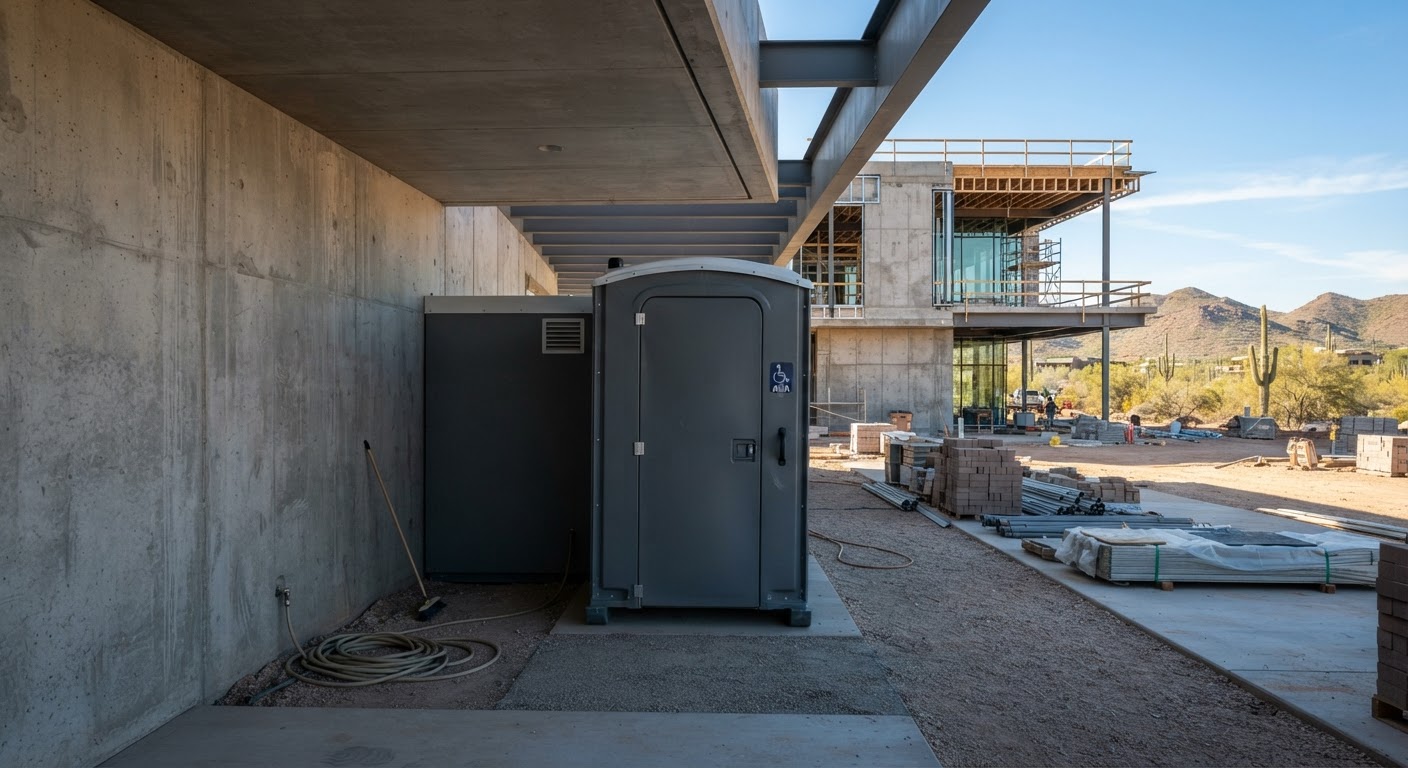
The Science of Desert Heat and Portable Restrooms
In Avondale and across the West Valley, summer temperatures frequently climb past 105 degrees Fahrenheit, creating demanding conditions for outdoor amenities. Portable restrooms are essentially micro-environments. When enclosed plastic units sit in direct desert sunlight, interior temperatures can rise significantly higher than the ambient outdoor air, often exceeding 120 or 130 degrees.
This extreme thermal buildup accelerates the biological and chemical processes inside the waste holding tank. Anaerobic bacteria, which are responsible for generating unpleasant odors such as hydrogen sulfide and ammonia, multiply at an exponential rate in high heat. Furthermore, liquid deodorizers and biocides break down or evaporate much faster than they would under mild conditions. Without proactive site management and proper servicing, units can quickly become uninviting, creating health and morale challenges for construction crews, event attendees, and site visitors.
Strategic Placement: Shading and Surface Considerations
Managing heat and odor begins long before the first service truck arrives. Strategic placement on your property or job site can lower internal cabin temperatures and slow bacterial growth.
- Prioritize Natural and Structural Shade: Whenever feasible, position units along the northern or eastern walls of buildings, shade structures, or mature tree lines. Morning sun is far cooler than afternoon sun. Shielding restrooms from intense southwest exposure during peak heat hours (between 1:00 PM and 5:00 PM) makes a noticeable difference in interior temperature.
- Avoid Heat-Radiating Surfaces: Dark asphalt absorbs and retains immense amounts of thermal energy throughout the day, radiating heat directly into the base of the holding tank. If possible, set units on light-colored concrete, hard-packed earth, or gravel rather than unshaded blacktop.
- Ensure Ground Stability: Monsoon season frequently overlaps with summer heat. Ensure units are placed on well-drained, level ground so summer downpours do not pool beneath the units or destabilize them when service trucks need access.
Maximizing Airflow and Passive Ventilation
Standard portable restrooms utilize passive venting systems, usually consisting of side-wall louvers and a direct vertical vent pipe connected to the waste tank. This system relies on convection—often called the stack effect—to draw cool air into the cabin and push rising odors out through the roof vent pipe.
In extreme heat, stagnant air can stall this process. You can assist natural ventilation by considering local airflow patterns:
- Align with Prevailing Breezes: Position units so their vent screens catch local air currents rather than being hemmed in by shipping containers, solid fencing, or exterior walls. Placing units in tight alcoves cuts off horizontal ventilation and traps hot, stagnant air.
- Maintain Vent Pipe Clearances: Ensure roof vent pipes are not blocked by low-hanging tarps, branches, or temporary construction barriers. The sun heating the top of the black vent pipe is actually what powers the convection current, drawing odors out of the tank below.
- Provide Separation Between Units: When lining up multiple portable restrooms for an event or large construction crew, leave at least several inches of space between each cabin. Tightly packed rows create dead-air pockets that trap heat along the exterior walls.
Adjusting Service Schedules for High Temperatures
During winter and spring, a standard weekly service cycle often suffices for typical usage. During peak Arizona summer months, that same schedule is rarely enough to maintain comfortable, hygienic conditions.
Increasing Pumping Frequency
Higher temperatures mean waste decomposes rapidly and liquid evaporates quickly, concentrating waste products. To keep odor under control, worksites and busy event venues should evaluate increasing their service schedule to twice weekly or even daily, depending on user volume. Regular pumping evacuates accumulated waste before anaerobic digestion reaches peak gas-production levels.
Replenishing Water and Chemical Volumes
Because evaporation rates are extreme in arid climates, holding tanks lose liquid volume rapidly. During summer service, technicians typically adjust the ratio of water to deodorizing additive. Adding extra water to the tank during each service helps keep waste submerged, preventing it from drying out, sticking to tank walls, and releasing intense odors into the cabin.
Hygiene, Touchpoints, and Handwash Stations
Sanitation is about more than controlling odors; it is about preserving personal hygiene and worker health. Heat creates unique obstacles for standard sanitation supplies.
- Hand Sanitizer Maintenance: Alcohol-based hand sanitizers can lose potency if dispensers sit in direct baking sunlight, as the alcohol can slowly evaporate through vent mechanisms or degrade the dispenser hardware. Keep sanitizer dispensers in shaded areas or inside well-ventilated units.
- Dedicated Handwash Stations: Water-based handwash sinks are especially valuable in hot conditions, allowing workers to wash away sweat, grime, and pathogens. In summer, ensure these stations are kept topped off with fresh, cool water and that graywater is emptied regularly to prevent bacterial growth in the holding reservoirs.
- Disinfection of High-Touch Surfaces: Door latches, interior locks, vent handles, and seat covers require frequent wipedowns using hospital-grade disinfectants. Heat can cause perspiration and oils to accumulate quickly on plastics, making routine surface sanitation critical.
Job Sites vs. Public Events: Tailoring Your Strategy
The operational demands of a commercial construction site differ from those of a community gathering, wedding, or festival in Avondale.
Construction and Industrial Sites
OSHA standards mandate that employers provide accessible and sanitary toilet facilities for employees. In extreme heat, clean and accessible restrooms are essential for worker hydration and safety. Workers who avoid using foul, overheated facilities may limit their water intake to delay restroom visits, greatly increasing the risk of heat exhaustion and heat stroke. Placing ADA-compliant or standard construction units close to active work areas—while keeping them properly shaded—protects crew health and supports productivity.
Festivals, Sports Tournaments, and Private Events
Guests dressed for outdoor gatherings expect a clean, comfortable environment. For multi-day or evening gatherings during warm months, consider supplementing standard single units with luxury restroom trailers. Restroom trailers feature onboard climate control, running water, solid-surface countertops, and mechanical exhaust fans, creating an indoor-quality experience that isolates guests completely from the outdoor desert heat.
Planning Ahead for Arizona Summers
Managing portable sanitation in the desert comes down to anticipation. Relying on baseline winter routines during a 115-degree heatwave leads to foul odors, compromised sanitation, and poor user experiences. By planning for smart placement, optimizing passive airflow, scheduling more frequent pump-outs, and maintaining robust hand-hygiene stations, site managers can ensure their facilities remain fresh, clean, and safe all season long.
If you are coordinating a project or organizing an outdoor gathering, Hometown Portable Toilet Co provides dependable portable toilet rentals, scheduled maintenance, and sanitization services throughout Avondale to keep your site comfortable even in the hottest weather.
Need help from Hometown Portable Toilet Co?
Contact our team to discuss your service needs in Avondale and surrounding service areas.